



Today, Tiles is joining Mozilla Foundation’s Human-Scale AI Incubator as one of three anchor projects. The Incubator brings together teams building purpose-built technology, sized to the problems they are meant to solve.
Privacy has historically been a niche market. I believe AI will change that. AI assistants and agent swarms are becoming the interface for more of our daily work, from knowledge work and coding to browsing. As that happens, attacks and data leaks will affect more people. Tiles is our bet that people will want tools that keep their data, identity, and control in their own hands.
For us, the hard part is building the underlying privacy technology and a sustainable business, not another chat interface. ChatGPT has already set a strong standard for how AI assistants look and feel. We can learn from those patterns while making Tiles distinctly ours: more playful, more human, and guided by the belief that work can feel like play. We want to build humane software, using polish to serve the user rather than drive addiction or endless engagement. Underneath, we are integrating local models and agent harnesses, building peer-to-peer networking, and creating zero-trust identity and authorization for people and agents. The goal is a decentralized, user-owned stack built to last, without ads or incentives that work against users.
That is why becoming an anchor project matters so much: it gives us time.
Mozilla’s support provides us with 18 months of runway for four full-time team members, one student on a short-term placement, and one legal consultant. Our core team brings together engineers with experience in cybersecurity, gaming, and peer-to-peer technologies, and a designer with a background in direct-to-consumer brands. Our legal consultant specializes in technology law and will work on the governance, risk, and compliance aspects of Tiles deployments with our pilot partners. This support gives us the freedom to build the local AI product we believe in without giving up equity or control.
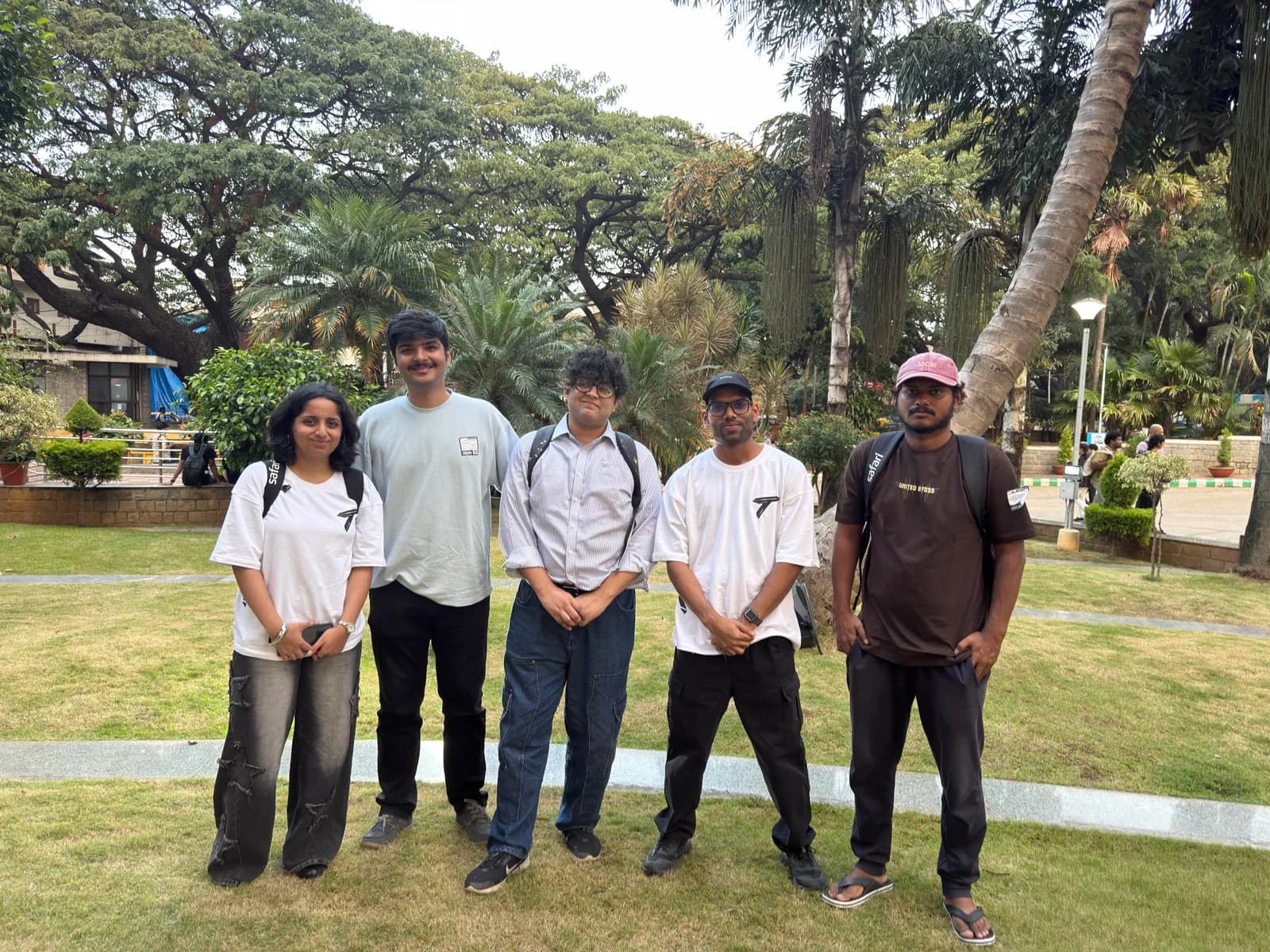
During that time, we’ll work closely with Mozilla Foundation and the broader Human-Scale AI cohort through regular discussions, coaching, feedback, and community engagement.
We also plan to run practical pilots with nonprofits and educational institutions serving charitable and public-interest goals. Working in real settings will show us what people need and help us set better product priorities. The pilots will let us deploy carefully, learn from students, educators, program leaders, and communities, and make thoughtful decisions without the pressure of a sales cycle.
These pilots will also shape a governance and safeguarding framework for responsible institutional use. We will release it under an open-source license so nonprofits, schools, universities, and other organizations can adapt it for their own communities.
For me, long-term success is straightforward: Tiles becomes self-sustaining through user and enterprise revenue, giving us the independence to keep building.
Seven more spots are open now with up to $500k over two years in non-dilutive funding. Applications close November 20, 2026. If you’re building AI for a language, place, or need that mainstream systems overlook, we’d love to have you with us. Learn more and apply through the Human-Scale AI Incubator.
We’re grateful for Mozilla Foundation’s support and excited about what it will help us build next. We also want to thank our sponsors, advisors, and every member of the User & Agents community who played a vital role in helping Tiles reach this milestone.